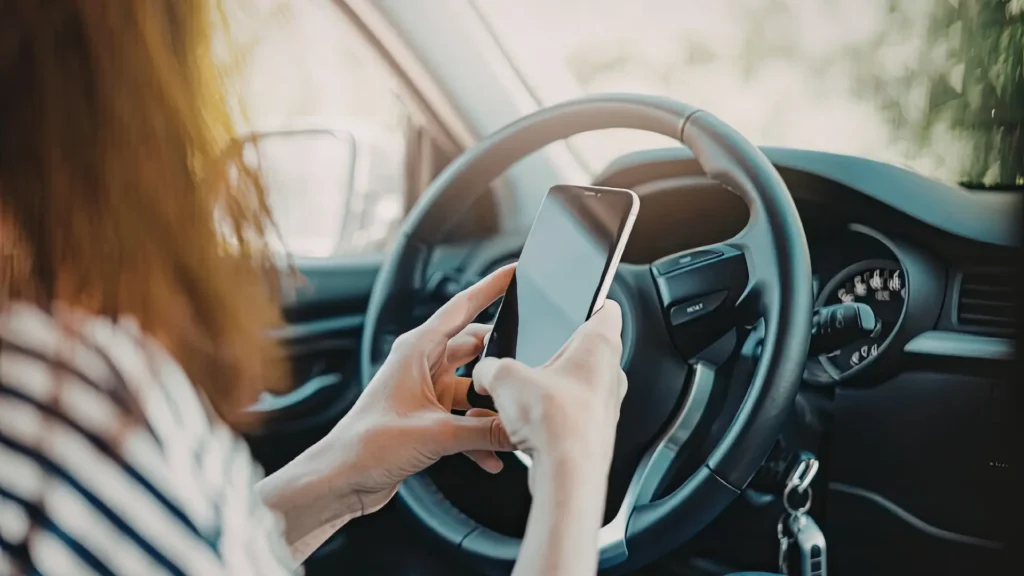
Distracted driving has become one of the leading causes of serious car accidents across Florida, and Sarasota’s congested roads are no exception. A driver who takes their eyes off the road for just five seconds while traveling at 55 mph covers the length of an entire football field without looking. That is more than enough distance for a catastrophic collision. Victims of distracted driving accidents in Sarasota can pursue compensation for medical expenses, lost wages, pain and suffering, and long-term care costs. Florida law specifically prohibits texting while driving, and evidence that a driver was using a phone or otherwise distracted at the time of the crash serves as compelling proof of negligence. Knowing how these cases work gives you a significant advantage when dealing with insurance companies.
Continue reading to learn how distracted driving claims are built and won. To discuss your case, contact Dannheisser Injury Law for a free consultation with a Sarasota car accident attorney.
Key Takeaways
- Distracted driving involves any activity that diverts a driver’s attention from the road, including texting, eating, adjusting GPS, and talking to passengers.
- Florida Statute § 316.305 makes texting while driving a primary offense, meaning law enforcement can pull over and cite a driver solely for texting behind the wheel.
- The NHTSA reports that distracted driving kills over 3,000 people annually in the United States and injures hundreds of thousands more.
- Cell phone records, vehicle infotainment data, dashcam footage, and witness testimony can all be used to prove a driver was distracted at the time of the crash.
- Proving distraction strengthens your negligence claim and may support a demand for higher compensation.
The Three Types of Driver Distraction
Safety experts categorize distracted driving into three types, and the most dangerous activities involve all three simultaneously. Visual distraction occurs when a driver takes their eyes off the road, whether to read a text, check a navigation app, or look at a passenger. Manual distraction happens when hands leave the steering wheel to pick up a phone, reach for food, or adjust a dashboard control. Cognitive distraction is the least visible but equally dangerous form: it occurs when a driver’s mind wanders from the task of driving, such as daydreaming, engaging in an intense phone conversation, or processing emotional stress.
Texting while driving is considered the most dangerous distraction because it involves all three categories at once. According to the National Highway Traffic Safety Administration (NHTSA), sending or reading a text takes a driver’s eyes off the road for an average of five seconds. At highway speeds, that translates into driving the length of a football field blindfolded.
Florida’s Distracted Driving Law
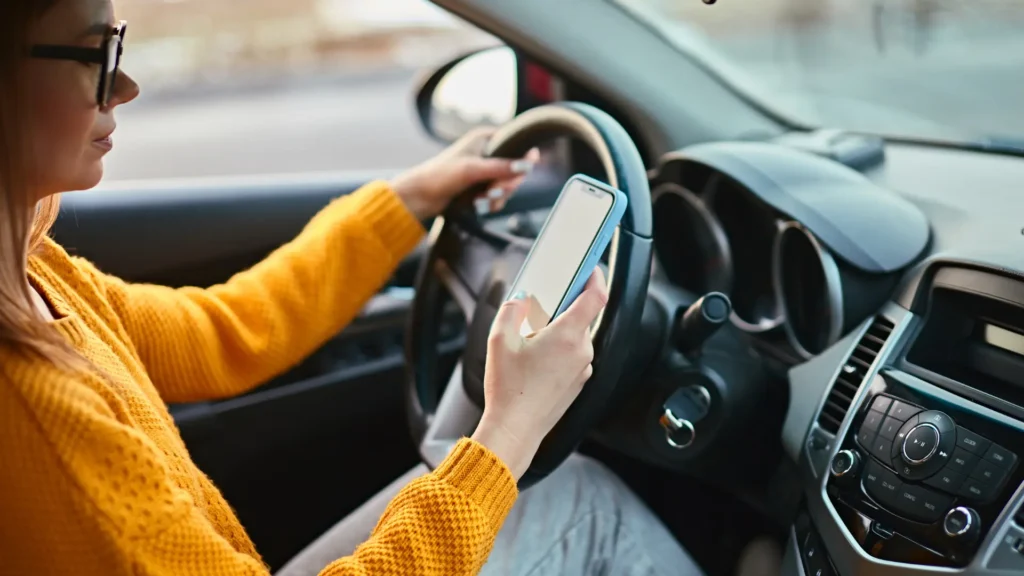
In 2019, Florida strengthened its distracted driving law with the passage of the Wireless Communications While Driving Law. Under Florida Statute § 316.305, texting while driving is a primary traffic offense. Law enforcement officers can stop and cite a driver they observe typing or reading messages on a wireless device. In school zones and active work zones, all handheld phone use is prohibited.
A texting citation on the crash report provides valuable evidence in your injury claim. It demonstrates that the at-fault driver was violating a specific safety statute at the time of the collision, which substantially strengthens the argument for negligence.
Proving the Other Driver Was Distracted
Insurance companies will rarely concede that their insured was distracted without solid proof. Building that proof requires a strategic investigation. Cell phone records can show whether the driver was texting, browsing, or on a call at the exact moment of impact. Vehicle infotainment and telematics data may reveal app usage or navigation inputs. Dashcam footage from your vehicle, nearby cars, or traffic cameras can capture the driver looking down or holding a phone.
Witness testimony is also powerful. Passengers, other motorists, and pedestrians who saw the driver on their phone or acting inattentively before the crash can provide statements that corroborate the physical evidence. An experienced Sarasota car accident lawyer at Dannheisser Injury Law knows how to subpoena phone records, preserve electronic evidence, and build a distraction case that insurers cannot dismiss.
Common Injuries in Distracted Driving Crashes
Because distracted drivers typically fail to brake or swerve before impact, collisions happen at full speed. Rear-end crashes are especially common, as a texting driver does not notice stopped traffic ahead until it is too late. The resulting injuries include whiplash, herniated discs, traumatic brain injuries, broken bones, internal organ damage, and facial lacerations from airbag deployment or shattered glass. More severe crashes involving high speeds can produce spinal cord injuries, amputations, and fatalities.
Hold Distracted Drivers Accountable in Sarasota
Every driver has a responsibility to keep their eyes on the road, their hands on the wheel, and their mind on driving. When someone chooses a text message over your safety, they should be held fully accountable for the harm they cause.
Dannheisser Injury Law represents distracted driving accident victims across Sarasota County. We gather the evidence, build the case, and fight relentlessly for the compensation you need to recover.
Call 941-365-7600, fill out our contact form, or start a live chat on our website. Your consultation is free, and you owe nothing unless we win.